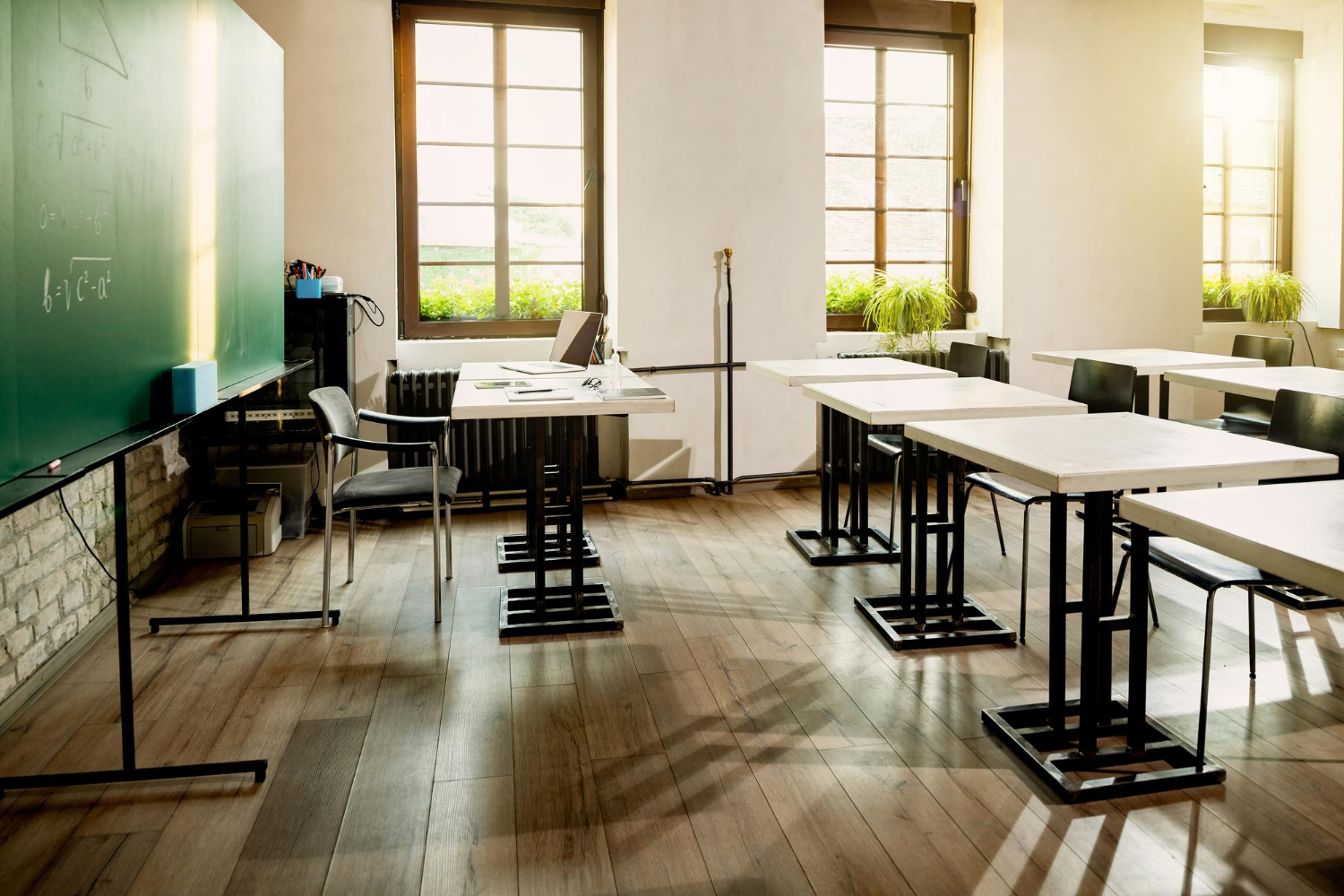
For generations, education has been defined by a building. Rows of desks, a whiteboard at the front, lockers in the hallway, and a bell schedule that neatly divides the day. But learning has never truly belonged to four walls. It happens in conversations, in curiosity, in mistakes, and in experiences that stretch far beyond a classroom door. As technology advances and our understanding of how people learn deepens, it’s time to rethink what “school” really means. Classrooms without walls aren’t about abandoning structure; they’re about expanding possibility.
Learning Can Happen Anywhere
One of the biggest shifts in modern education is the recognition that meaningful learning doesn’t require a specific location. A park can become a science lab. A coffee shop can transform into a writing studio. A museum can replace a history textbook. When students step outside the traditional classroom, they often engage more deeply because they see concepts applied in real life. Imagine learning geometry by designing a community garden layout or studying environmental science while testing water quality in a local stream. These experiences make learning tangible. When students connect lessons to the real world, they’re not just memorizing information for a test; they’re understanding how knowledge works in context.
Technology as a Bridge, Not a Barrier

Technology has made classrooms without walls more possible than ever before. Virtual learning platforms, video conferencing, collaborative documents, and interactive simulations allow students to connect with experts, peers, and resources around the world. A student in a small town can attend a virtual workshop with an engineer, join a global book club, or explore ancient ruins through immersive digital tools. But the key is to see technology as a bridge, not the destination. It’s not about replacing teachers or isolating learners behind screens. Instead, it’s about expanding access and flexibility. When used thoughtfully, technology allows education to move beyond physical limits while still fostering collaboration and mentorship.
Community as the Curriculum
What if the community itself became part of the curriculum? Local businesses, nonprofits, artists, and civic leaders all hold knowledge that can enrich learning. Internships, service projects, and mentorship programs allow students to gain skills while contributing meaningfully to their surroundings. This approach also helps students see themselves as active participants in their communities rather than passive observers. They learn communication, responsibility, and problem-solving in authentic settings. Education becomes less about abstract assignments and more about real impact. When students understand that their work matters beyond a grade, motivation naturally grows.
Personalized Paths to Knowledge
Traditional classrooms often move at a single pace, even though students learn in different ways and at different speeds. A classroom without walls allows for greater personalization. Some students may thrive through hands-on projects, while others prefer independent research or collaborative discussions. Flexible learning environments make it easier to tailor education to individual strengths and interests. A student passionate about coding can dive into real-world programming challenges. Another drawn to storytelling can produce podcasts or documentaries. By honoring diverse learning styles, we create space for deeper engagement and stronger confidence.
The Role of the Teacher Evolves

In a wall-less classroom model, teachers don’t disappear; their role becomes even more important. Instead of being the sole source of information, they act as guides, facilitators, and mentors. They help students ask better questions, evaluate information critically, and connect ideas across disciplines. This shift empowers students to take ownership of their learning while still benefiting from expert support. Teachers design experiences, build partnerships, and create frameworks that ensure exploration remains purposeful. The classroom may expand physically, but the human connection at the heart of education remains central.
Challenges Worth Tackling
Of course, rethinking education beyond the building comes with challenges. Access to technology isn’t universal. Not every community has the same resources. Structure and accountability still matter, especially for younger learners who need consistency. However, these challenges aren’t reasons to cling to outdated models. They’re invitations to innovate thoughtfully. Hybrid approaches that blend in-person instruction with community experiences and digital tools can provide both flexibility and stability. The goal isn’t chaos; it’s intentional expansion.
Classrooms without walls aren’t about removing buildings from education. They’re about removing limitations. When we stop defining learning by location, we open the door to creativity, connection, and relevance. Education becomes less about sitting still and more about engaging fully with the world.